A mechanical reinforcing bar coupler joins two bars end to end so the reinforcement is continuous without a lap splice. With the right system, specified and installed to its technical approval, the joint is designed to carry the bar’s full strength in tension, compression and under stress reversal. Once a design calls for couplers, the question that lands on the contractor’s desk is which system to order. RMS supplies three Ancon coupler systems, and each one earns its place on a different kind of job. This guide sets them side by side, explains how to choose, and walks through specifying and ordering.
In brief: TTS Tapered Thread for quick, reliable installation where the bar end is accessible; CXL Parallel Thread for high-load and fatigue-critical infrastructure; MBT Shear Bolt where threading the bar is not practical. All three suit bars from 12 mm to 32 mm, supplied on their own or supplied and installed on request. Unsure? Send RMS the drawings.
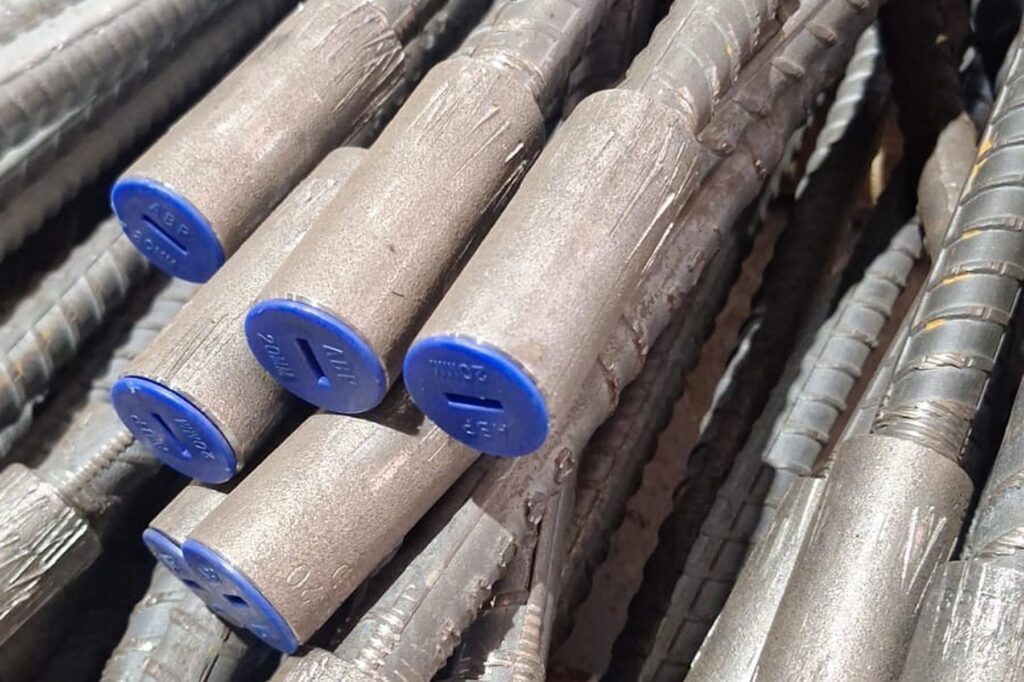
If you want the engineering background on how each system grips the bar, our Free State infrastructure article covers that in detail. Here the focus is on the decision.
The three systems at a glance
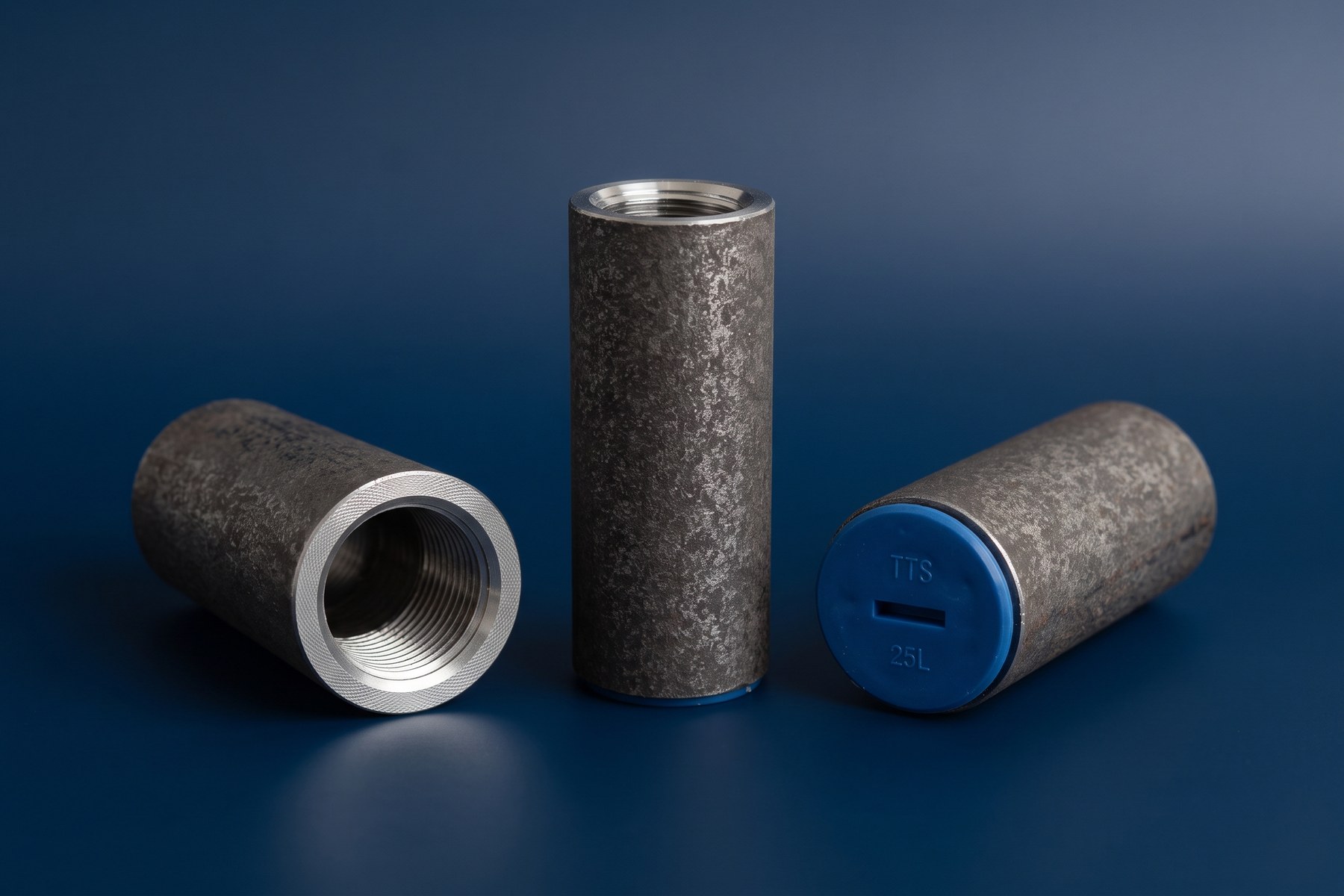
TTS Tapered Thread. A tapered-thread coupler is a compact sleeve that the threaded bar ends screw into. Installation is quick and performance is reliable, which makes it the general-purpose choice where access to the bar end is straightforward.
CXL Parallel Thread. A parallel-thread coupler is a sleeve with a straight internal thread, built for high load capacity and fatigue resistance. It is the system commonly specified for large-scale infrastructure and fatigue-critical work, and the one most often used on Cape Town projects supplied by RMS.
MBT Shear Bolt. A shear bolt coupler needs no threading of the bar at all: it is fitted over the bar ends and its shear bolts grip the bar mechanically. That makes it the answer for retrofits, extensions and congested reinforcement zones where threading is not practical.
RMS couplers cover bar diameters from 12 mm to 32 mm. Each system is supplied with the manufacturer’s technical documentation, and the structural engineer’s specification settles which system is used at each splice.
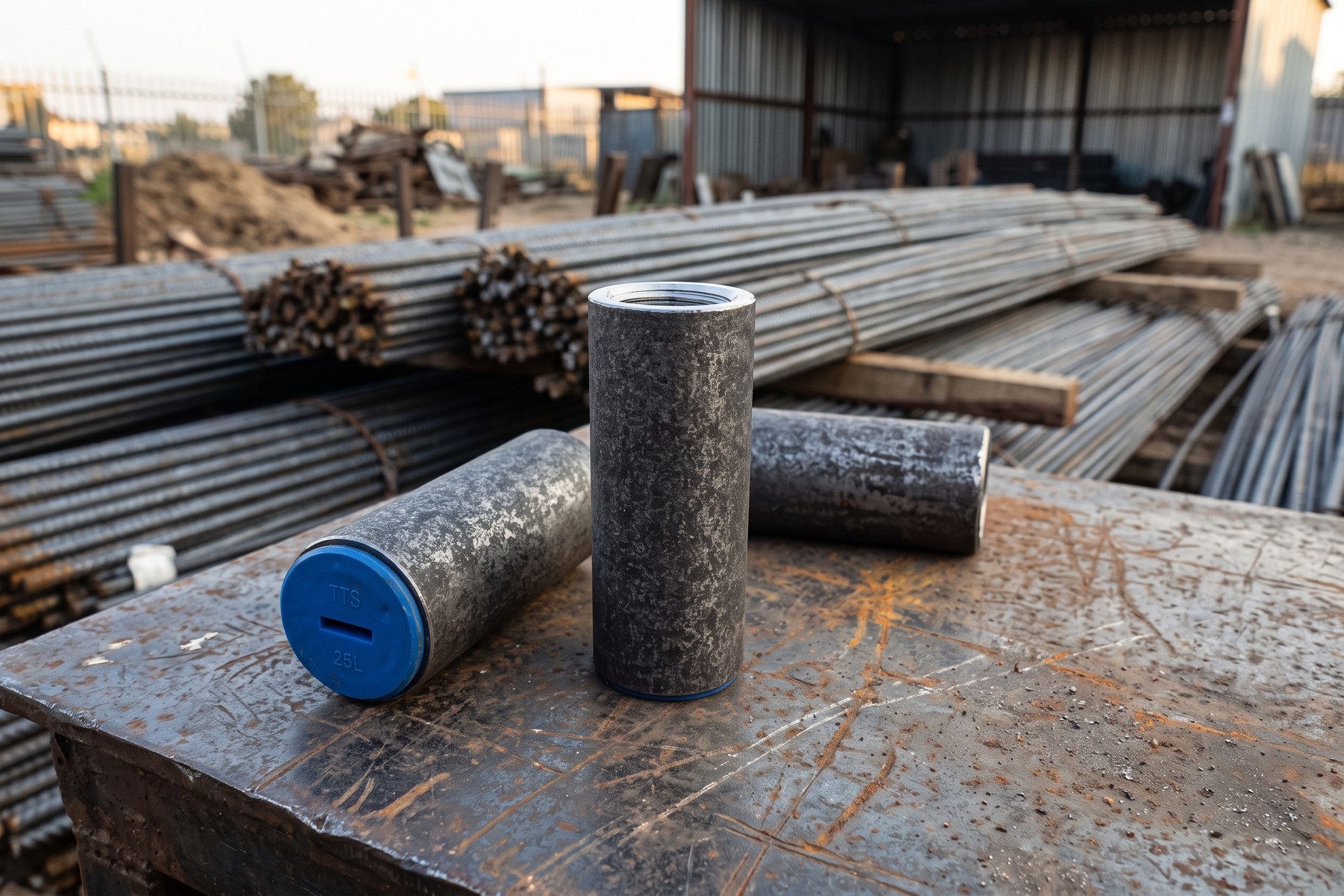
TTS, CXL and MBT compared
| TTS Tapered Thread | CXL Parallel Thread | MBT Shear Bolt | |
|---|---|---|---|
| Bar preparation | Tapered thread cut on the bar end | Parallel thread cut on the bar end | None |
| Best suited to | Quick, reliable installation where access is straightforward | High-load and fatigue-critical infrastructure | Retrofits, extensions, congested zones |
| Typical use | Beams, columns, general reinforced concrete | Bridges, tunnels, large infrastructure | Connecting to existing bars, precast connections, reduced lap zones |
| Supply | Supply only, or supply and install on request | Supply only, or supply and install on request | Supply only, or supply and install on request |
The coupler system for a project is confirmed against the structural engineer’s specification, the manufacturer’s technical documentation and the site conditions. RMS covers bars from 12 mm to 32 mm across the range.
How to choose
Start with the load case. Where the design is fatigue-critical or carries very high loads, which is typical of bridges, tunnels and other infrastructure, the parallel-thread CXL system is commonly specified. Where the loads are those of a conventional building frame and the bar ends are accessible for threading, the TTS system installs quickly and performs reliably.
Then look at site conditions. If you are joining new reinforcement to bars already cast into an existing structure, or working in a zone so congested that there is no room to thread and turn a bar, threading is not practical. This is where an MBT system comes in: the coupler is fitted over the bar and locked with its shear bolts.
Finally, consider the programme. Threaded systems need the bar ends prepared, which is arranged with the branch when the bars are ordered. Shear bolt couplers need no preparation, which is part of what makes them suited to retrofit work where the existing bars are what they are.
If the drawings do not settle the choice, send them to RMS. The technical and remote support team will advise on which system suits the design and the site.
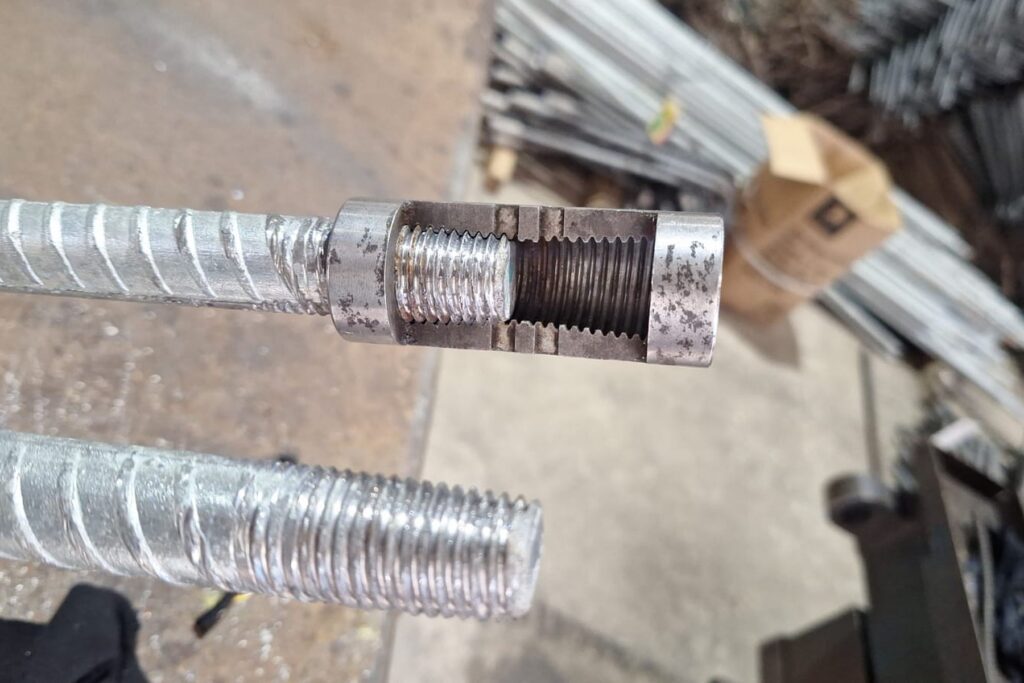
Why couplers rather than laps
A lap splice is the traditional way of joining bars: two bars overlap for a set length and the concrete transfers the load between them. Couplers remove the overlap. For the right application, that can mean less reinforcement congestion, simpler detailing, faster fixing and less steel required for lap lengths; the performance of the joint is set by the selected system, its technical documentation and the engineer’s specification. On a congested column splice or a precast connection, the space saved is often the deciding factor; on a long infrastructure programme, it is the steel and the time.
Specifying and ordering couplers from RMS
Confirm the system and bar size with the engineer. The design should state the coupler type and the bar diameter for each splice location. Couplers from RMS suit bars from 12 mm to 32 mm.
Decide on supply only or supply and install. RMS supplies couplers as standard and can supply and install on request, depending on the project.
Plan the bar preparation with the cut and bend. For TTS and CXL the bar ends must be threaded, so tell the branch when you send the bending schedule, with the coupler positions and bar marks, so that threading is arranged and allowed for in the lead time. For MBT no preparation is needed.
Ask for the technical datasheet. Detailed dimensions, weights and part numbers for each system are available on request or in the coupler technical datasheet, which the engineer will want for the file alongside the material certificates for the reinforcing steel itself.
Allow lead time. Couplers are ordered against the specific bar sizes and quantities on the schedule, so confirm availability and lead time when the quotation is issued.
What to send for a quotation. The structural drawings, the coupler system if the engineer has nominated one, bar diameters, quantities, splice locations and the project specification. If no system has been nominated, RMS reviews the information and discusses the supply options with you; the design responsibility stays with the structural engineer.
Where couplers are used
Reinforced concrete beams and columns, precast connections, retrofit and extension projects, congested reinforcement or reduced lap zones, and bridge, tunnel and infrastructure works. Couplers are available through the RMS branch network; some branches stock them and others supply on request, so ask your branch when you enquire.
Speak to RMS about couplers
Call 011 878 6820 or email , or attach your drawings to the quote form on the Reinforcing Bar Couplers page, and RMS will confirm the system, sizes and lead time for your project.
Frequently asked questions
Which coupler system should I choose?
TTS Tapered Thread for fast, reliable installation where the bar end is accessible; CXL Parallel Thread for high-load and fatigue-critical infrastructure; MBT Shear Bolt where threading the bar is not practical, such as retrofits, extensions or congested reinforcement. If you are unsure, send RMS your drawings.
What bar sizes do RMS couplers suit?
Ancon couplers supplied by RMS cover bar diameters from 12 mm to 32 mm. Detailed dimensions, weights and part numbers are available on request or in the technical datasheet.
Can couplers replace lap splices?
Appropriately specified mechanical couplers replace conventional lap splices at the designated reinforcement connections. The selected system must meet the structural engineer’s design requirements and the applicable performance and installation specifications.
Does RMS install couplers?
RMS supplies couplers as standard, and can supply and install on request, depending on the project.