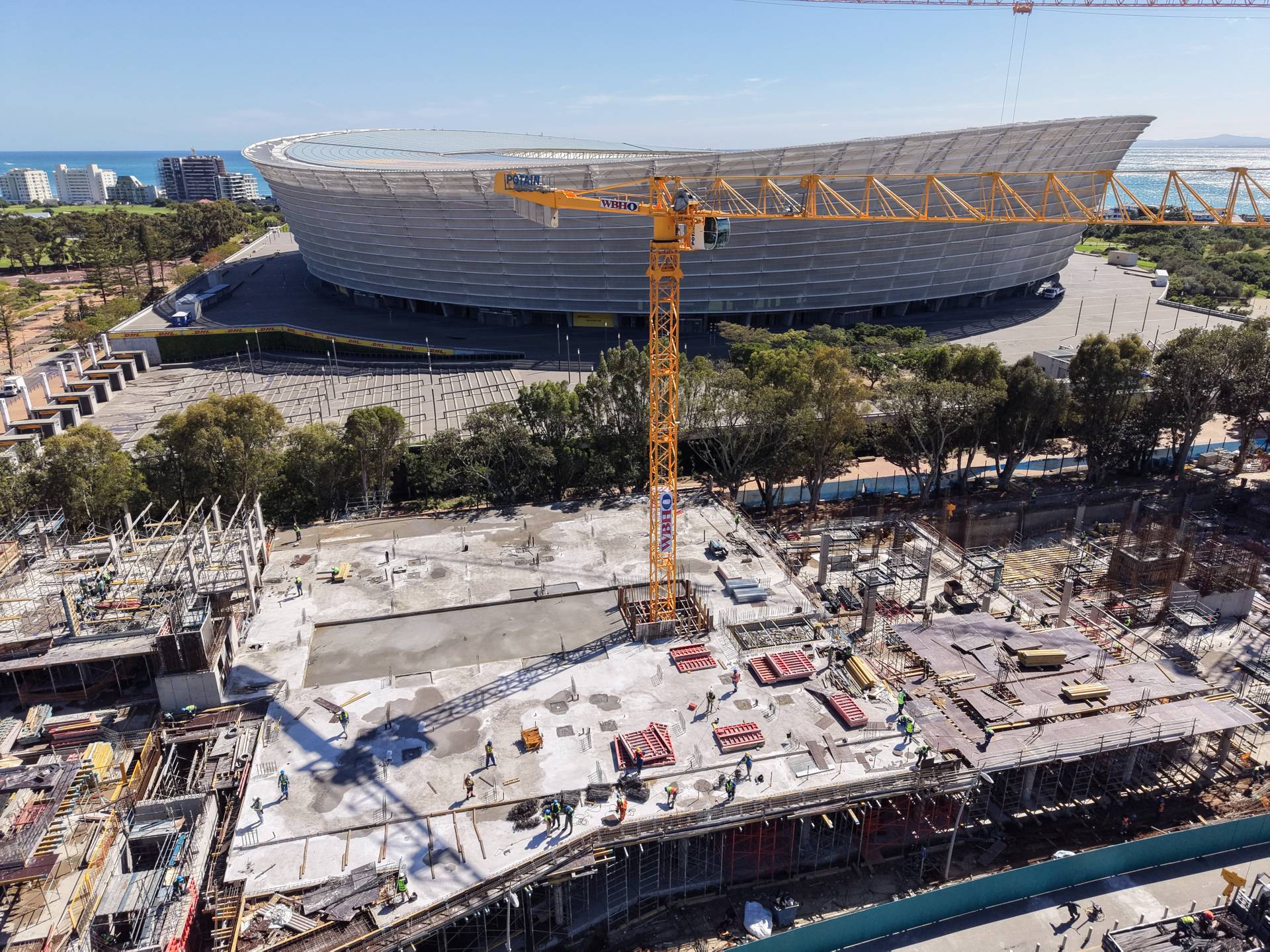
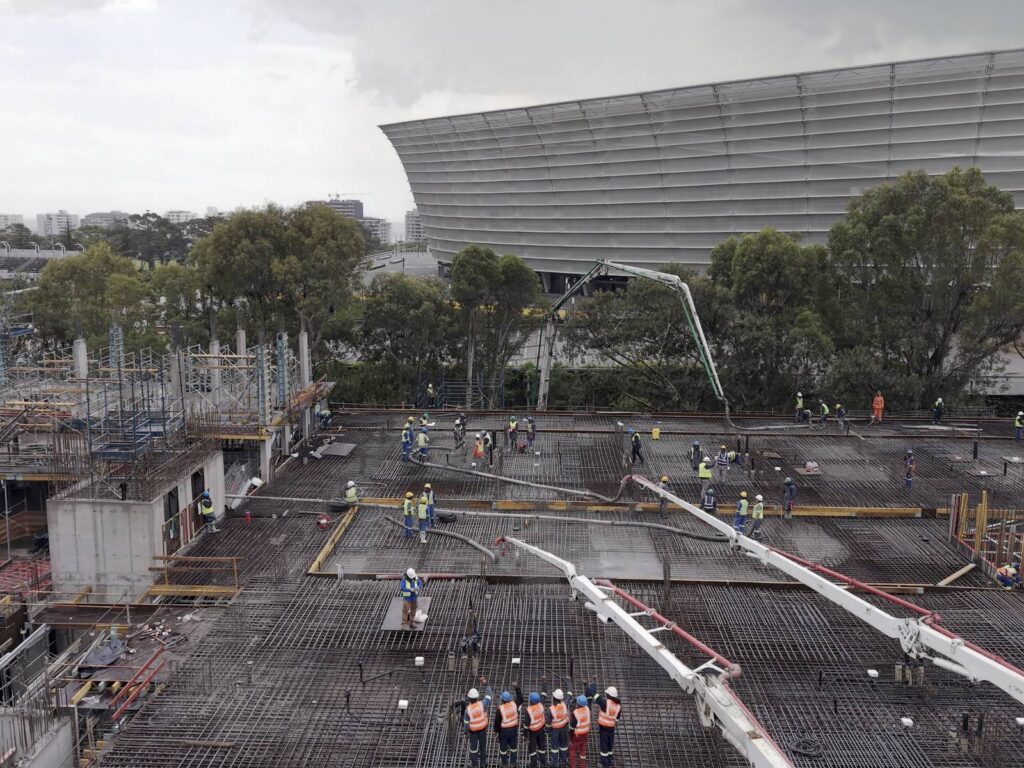
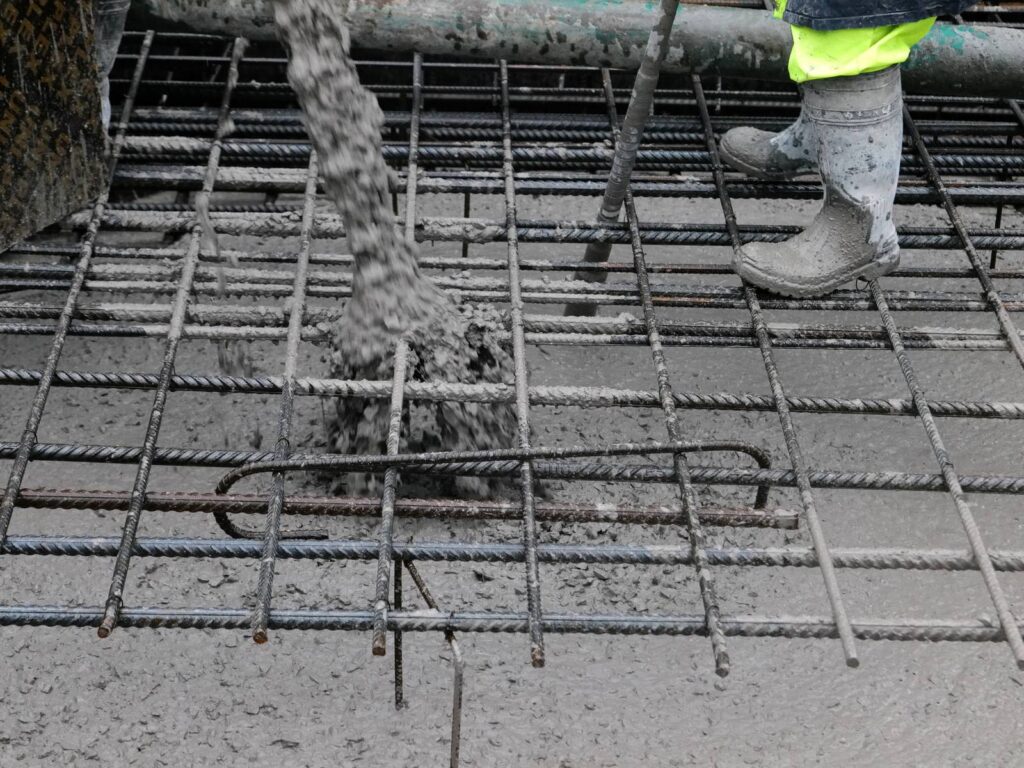
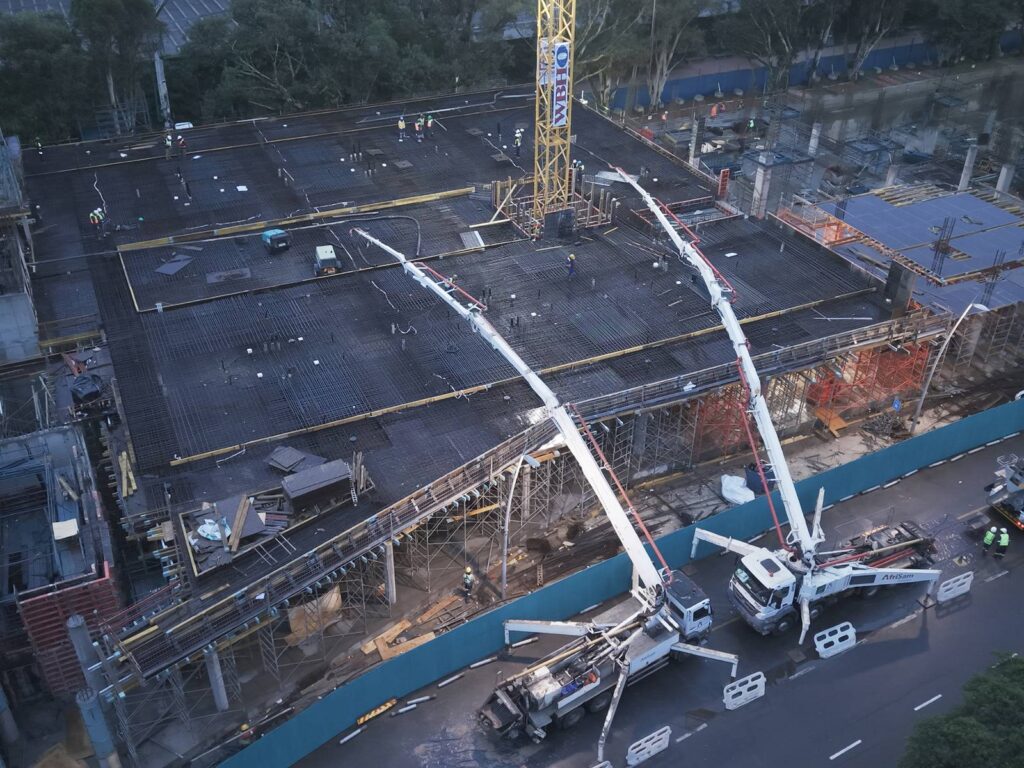
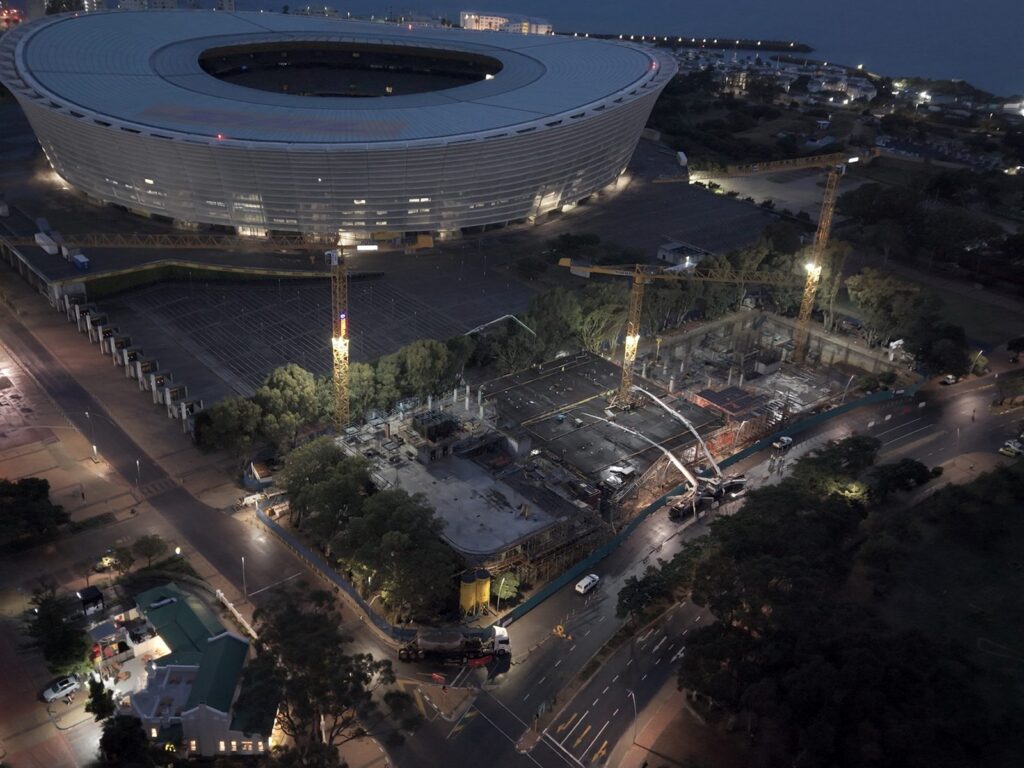
On the morning of Monday 14 September 2026, at 07:00, the first concrete pump started on The Granger Building in Green Point, Cape Town, next to the stadium. Thirteen hours and 217 truckloads later, 1,312 cubic metres of concrete had been placed in a single pour, the biggest WBHO Cape has ever done. Three planned pours had been consolidated into one.
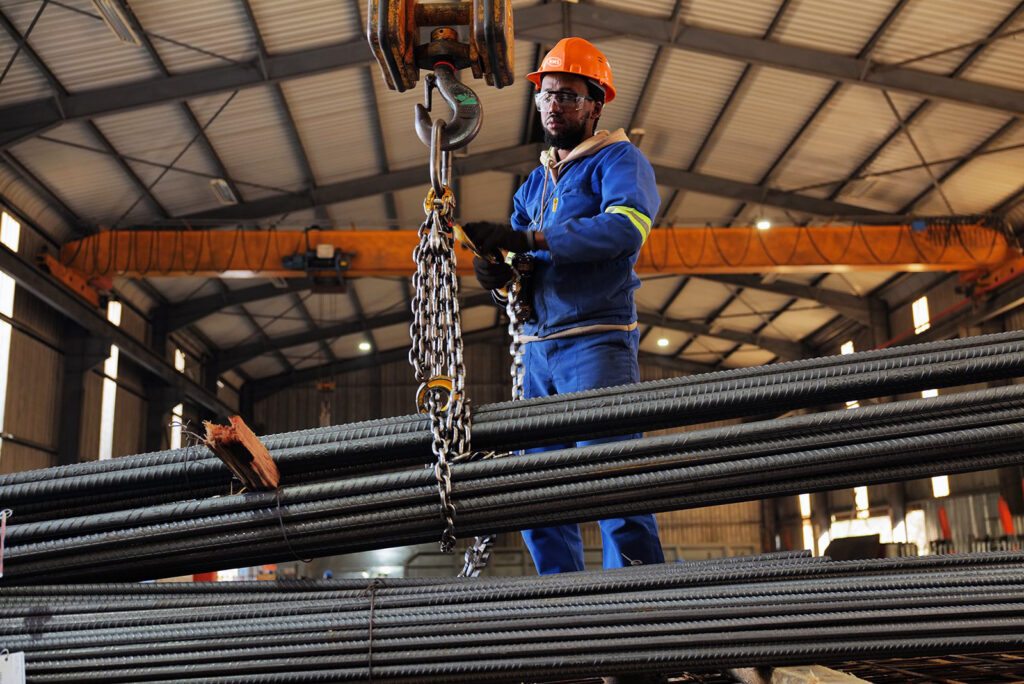
By then, the work underneath the concrete was done: 249 tonnes of reinforcing steel, 24,451 bars and 91,307 linear metres, cut, bent, delivered and fixed by RMS Cape Town in five working days.
Five working days to fix 249 tonnes of reinforcing steel
WBHO’s usual cycle for a slab like this is 12 to 15 days. The programme on The Granger allowed 11. Inside that window, once the formwork and the previous trades were out of the way, RMS had four to five working days to get the full slab fixed. The original programme rate was 29 tonnes a day.
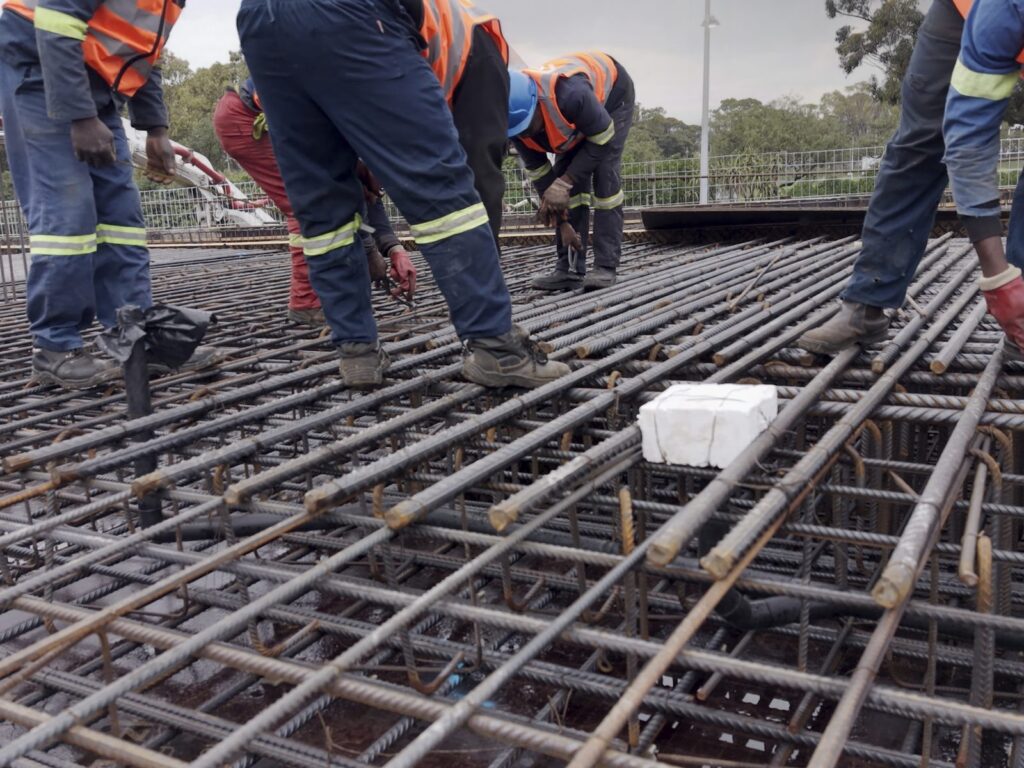
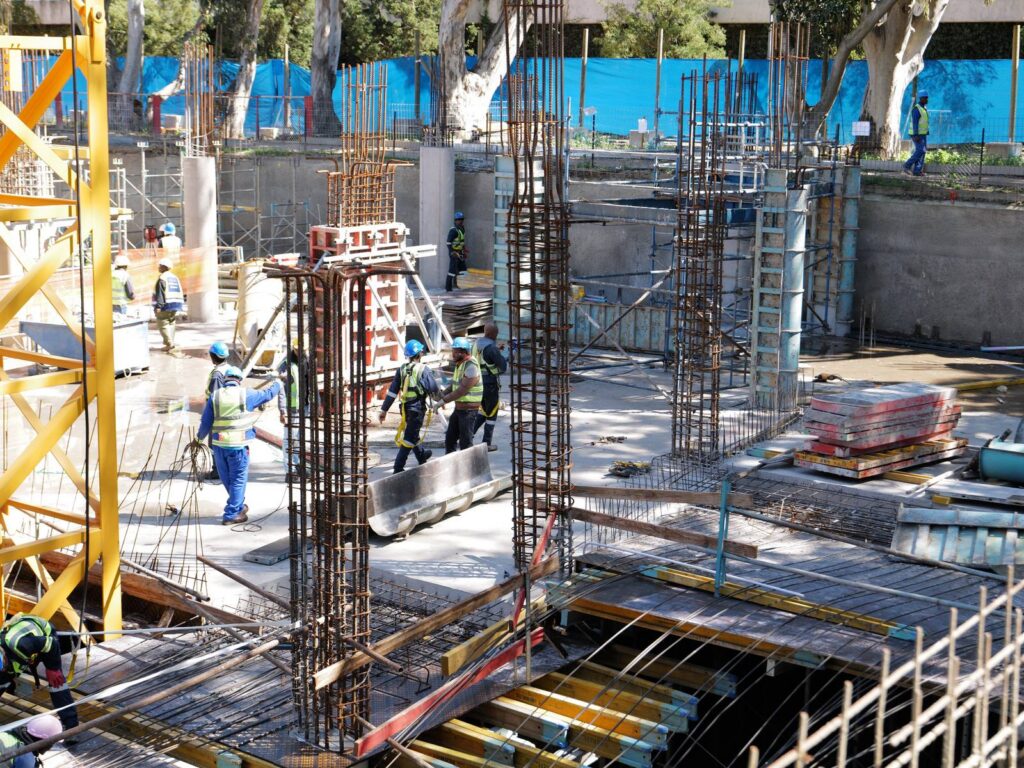
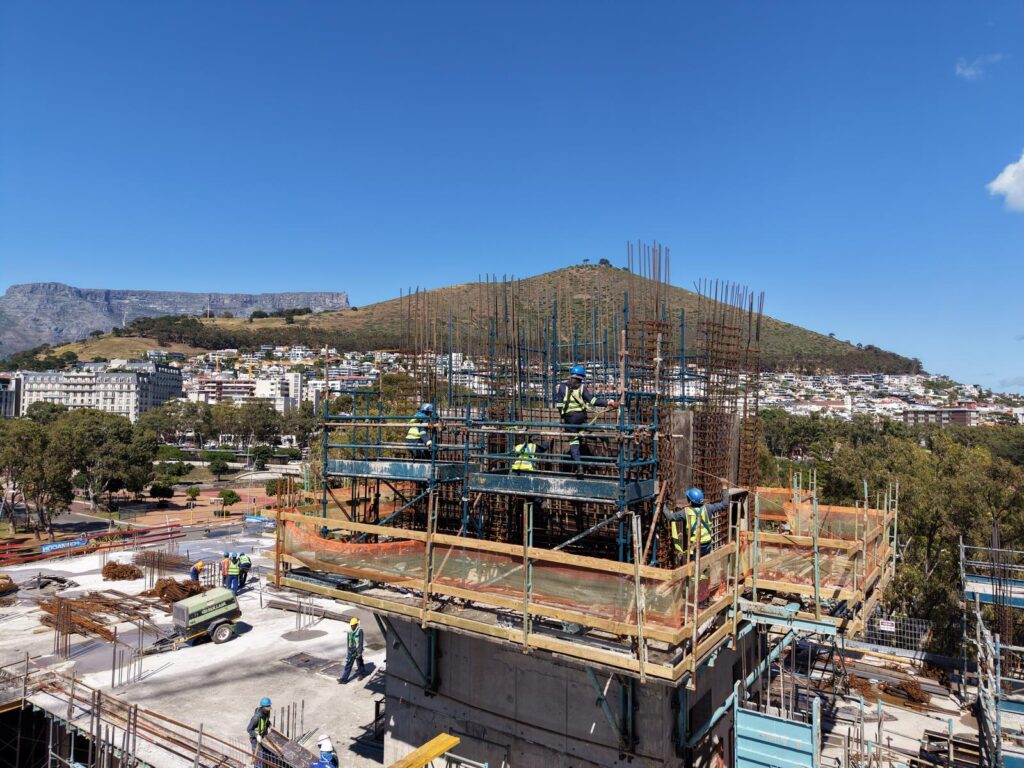
The slab is 2,160 square metres, 45 metres by 48 metres, and it is not a flat plate: the depth ranges from 280 mm to 1,350 mm, with four to six layers of reinforcement, 34 columns and 8 structural beams tied into it. Every layer has to be placed, spaced and tied before the next one can go in, so the sequence matters as much as the tonnage.
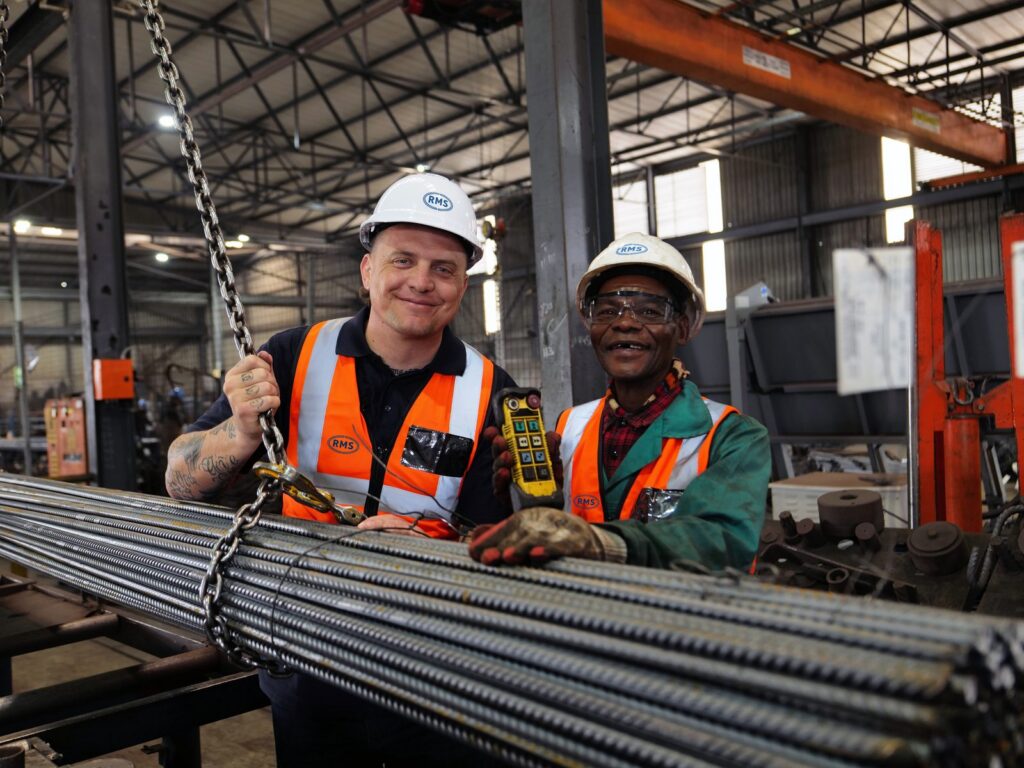
Cut, bend, delivery and steel fixing by RMS Cape Town
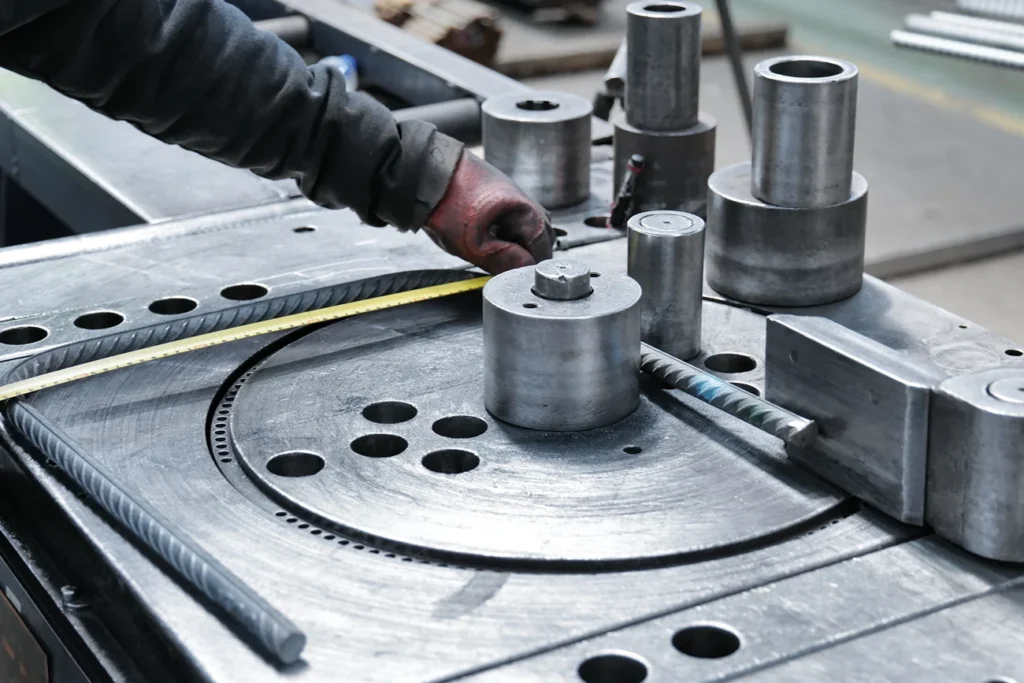
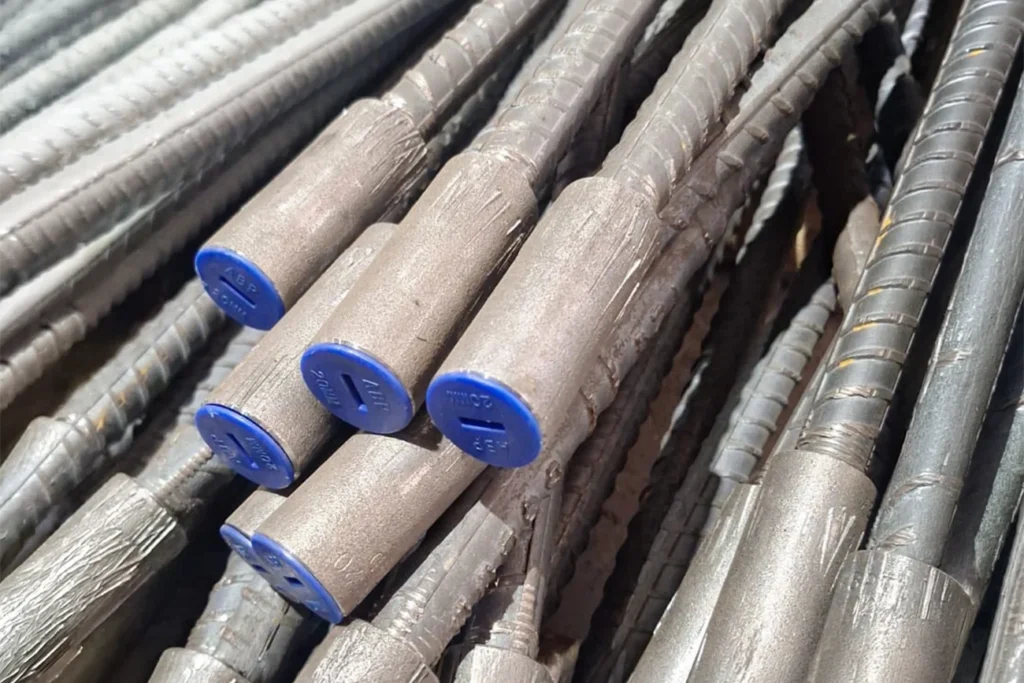
The reinforcement was cut and bent to the bending schedules at the RMS Cape Town facility in Blackheath, marked by bar mark, and delivered in the order the fixing sequence needed it. The sequencing mattered. Bars were marked and delivered according to the fixing programme, so the team could keep moving through each layer without waiting for the next steel it needed.
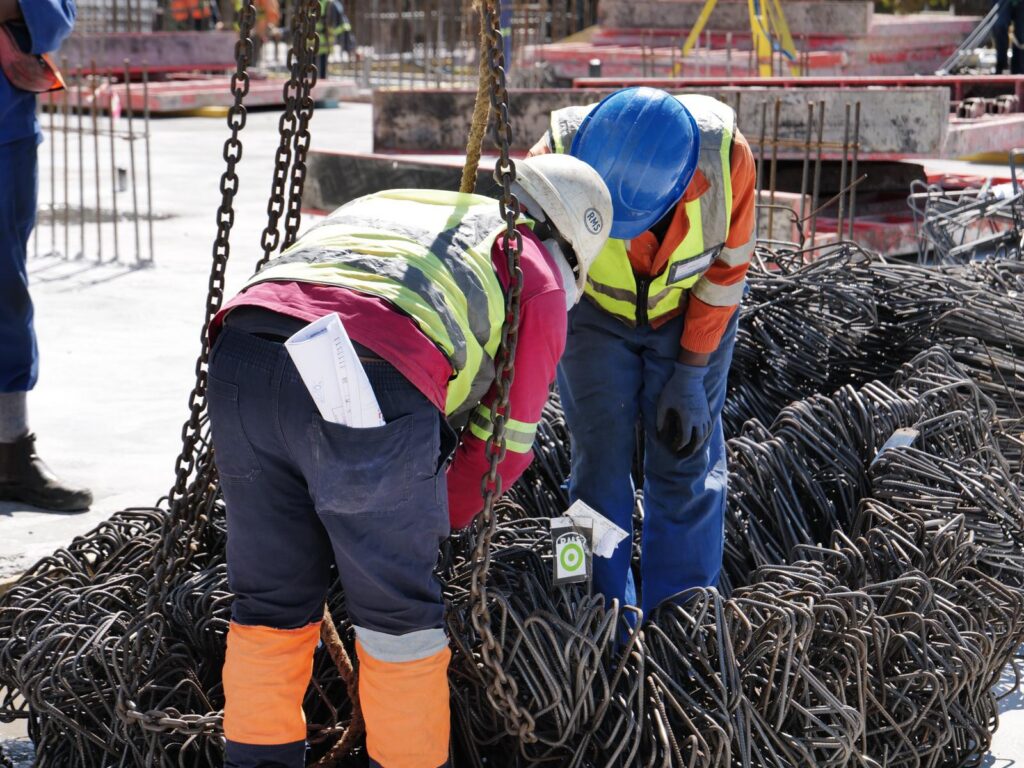
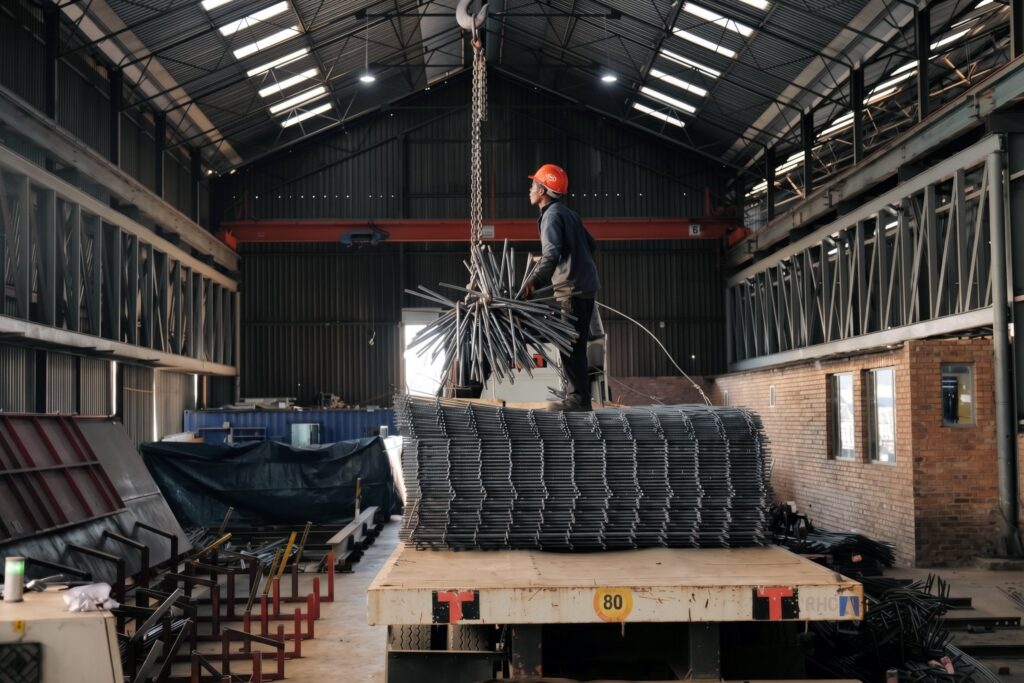
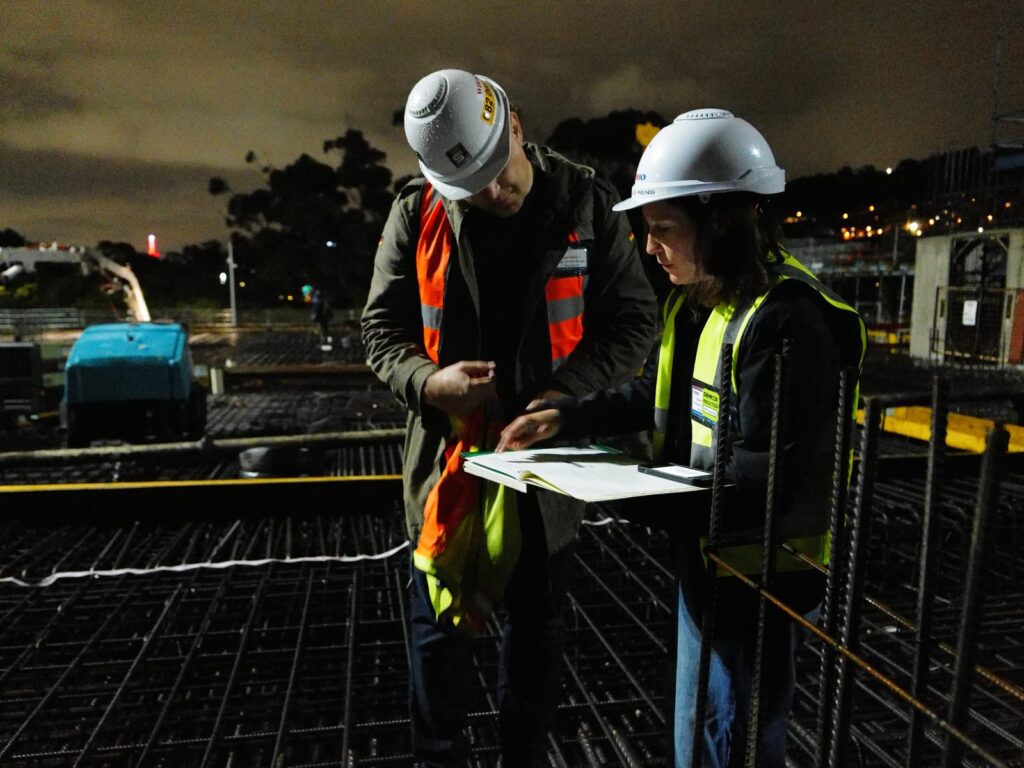
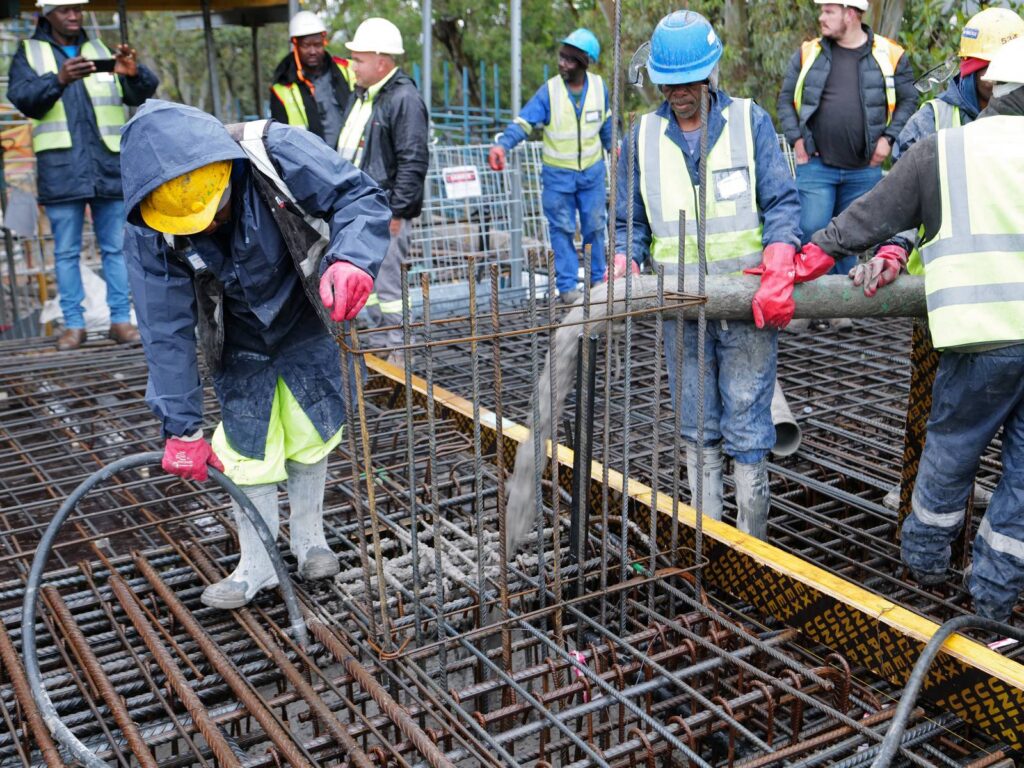
On site, a steel fixing team of 104 fixers and 32 foremen worked under four RMS managers. They fixed the full 249 tonnes in five working days, about 45 tonnes a day against the programme’s 29, and the work ran through the weekend. The reel on the project page shows the slab on Sunday 13 September at 18:00, the evening before the pour, with the team still finishing the last mats and checks.
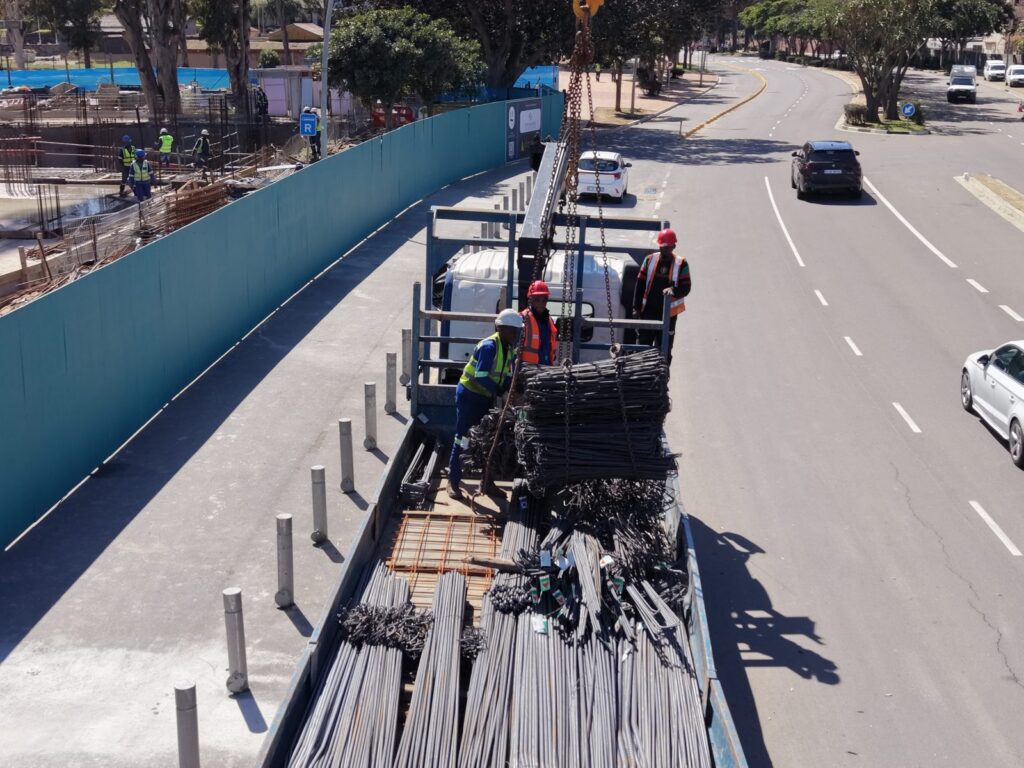
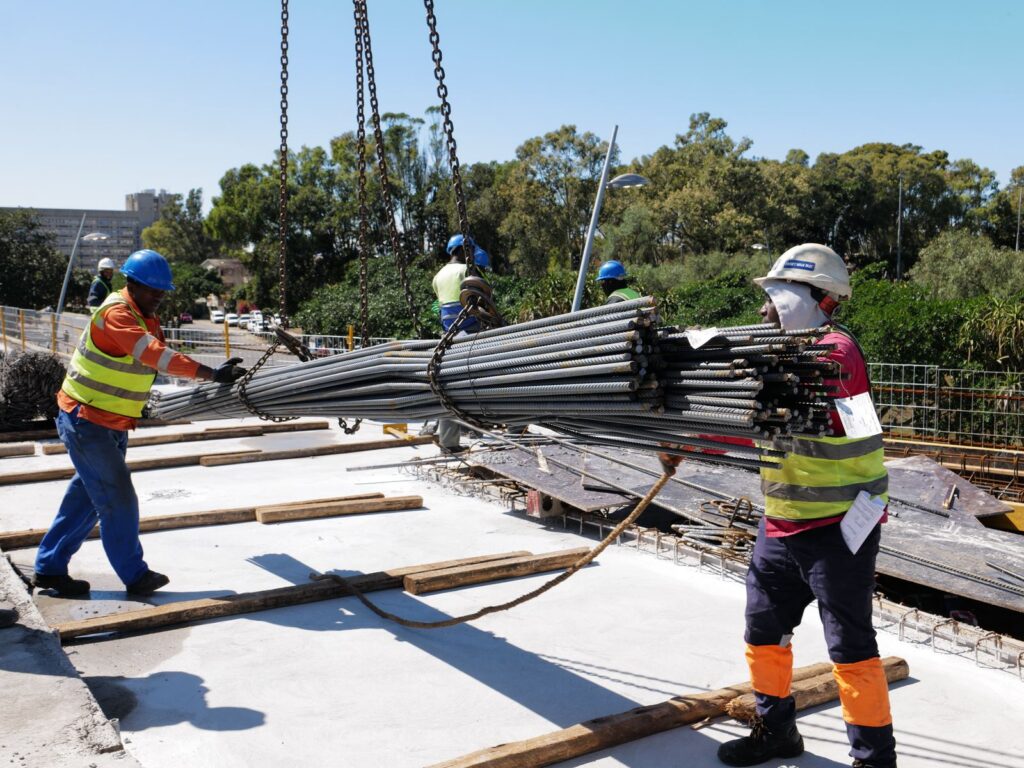
When the programme looked out of reach, the branch drew on planning and resourcing experience from across the RMS group. Because production in Blackheath and the fixing team on site are both part of RMS, coordination stayed within one team. WBHO was not dealing separately with a steel supplier and a fixing contractor while the programme was already under pressure.
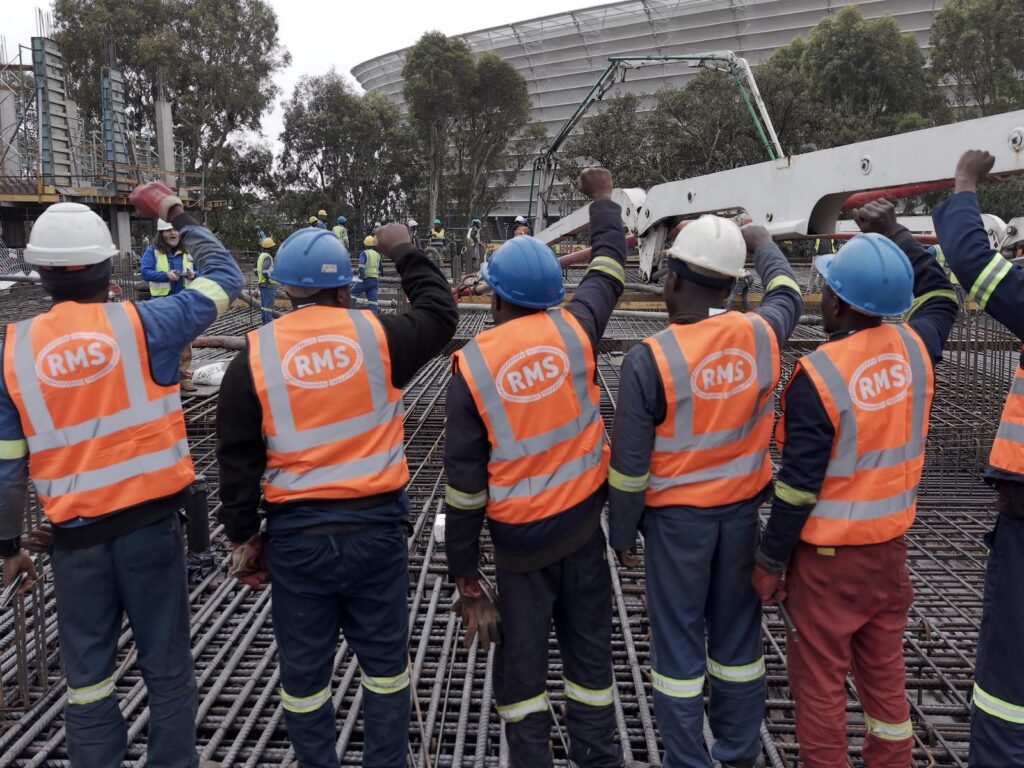
The last 16 hours
At 15:00 on Sunday 13 September, WBHO and the site teams held the pre-pour planning meeting. At 18:00 the RMS fixers were still on the slab. At 04:00 on Monday the night crews were on the slab, three hours before the first pump. At 07:00 the concrete started, with boom pumps running across the full 2,160 square metres. At 20:00 the pour was complete.
What WBHO said
The WBHO site management summed it up on camera, and the quote is on the project page: RMS is committed to the job, has strong people, good supervision, understands its planning and resourcing, and is always willing to come to the party and help WBHO meet its dates.
Why it matters for your next slab
A large pour is won or lost well before the concrete arrives. The Granger showed how much difference early planning makes when the slab cycle is tight.
Get the drawings and bending schedules in early. This gives the cut and bend team time to manufacture and sequence the steel around the fixing programme, rather than around the next delivery.
Keep supply and fixing connected. When cut and bend, delivery and fixing are coordinated by the same supplier, there are fewer handovers to manage when the programme gets tight.
Plan around the layers, not only the tonnage. The Granger slab ranged from 280 mm to 1,350 mm deep and carried four to six layers of reinforcement. Progress depended on closing out each layer before the next could proceed.
And remember the small items. Spacers, chairs and binding wire may be a small part of the order, but the fixing team still needs them on the slab at the right time.
RMS Cape Town
The Cape Town branch at 27 Range Road, Blackheath, supplies reinforcing steel to the public and to commercial clients: cut and bend, stock lengths, welded mesh, spacers, binding wire and couplers, with quantity estimates from drawings and reinforcement schedules, delivery typically within 3 to 7 working days, and steel fixing support for RMS-supplied steel.
Frequently asked questions
How much reinforcing steel went into The Granger Building slab?
249 tonnes: 24,451 bars and 91,307 linear metres, in four to six layers across a 2,160 square metre slab, with depths from 280 mm to 1,350 mm.
How long did RMS take to fix the slab?
Five working days, at about 45 tonnes a day, against a programme rate of 29 tonnes a day. The team worked through the weekend before the pour.
Does RMS Cape Town fix the steel it supplies?
Yes. RMS provides steel fixing for reinforcing steel supplied by RMS, with RMS site supervision, depending on project requirements. RMS does not fix externally sourced steel.
Can RMS help with quantities from the drawings?
Yes. The Cape Town team assists with quantity estimates from drawings, reinforcement schedules or project requirements, to ensure accurate ordering and minimise waste.
How quickly can RMS Cape Town deliver?
Delivery is typically within 3 to 7 working days, depending on the order and the cut and bend required.
Planning a large pour in the Western Cape?
Send RMS Cape Town your drawings and bending schedules early. The earlier the cut and bend is planned, the more certain the delivery and the fixing programme, and the less that has to be solved on pour day. Call 021 905 1770, email wcape@rms-sa.co.za, or use the quote form on the Cape Town branch page.