Practical guidance to streamline rebar placement and strengthen reinforced concrete projects.
Steel fixing is a critical step in reinforced concrete construction, directly impacting structural integrity, safety, and project timelines. Proper techniques, precise alignment, and the use of the right accessories like binding wire, rebar caps, spacers, and couplers ensure reinforcement is installed efficiently and correctly, minimising rework and delays on site.
Why Steel Fixing Matters
Steel fixing, or the installation of reinforcing bars, underpins the strength of concrete structures. Mistakes during fixing such as incorrect placement, misalignment, or inadequate spacing can compromise load-bearing capacity and lead to costly delays. Following best practices and using the right accessories improves both efficiency and safety.
Best Practices for Accurate Steel Fixing
- Follow Engineering Drawings Closely
Accurate placement starts with proper interpretation of bar bending schedules and structural drawings. Review specifications for bar sizes, shapes, and spacing to prevent errors and avoid costly rework. - Use Quality Accessories
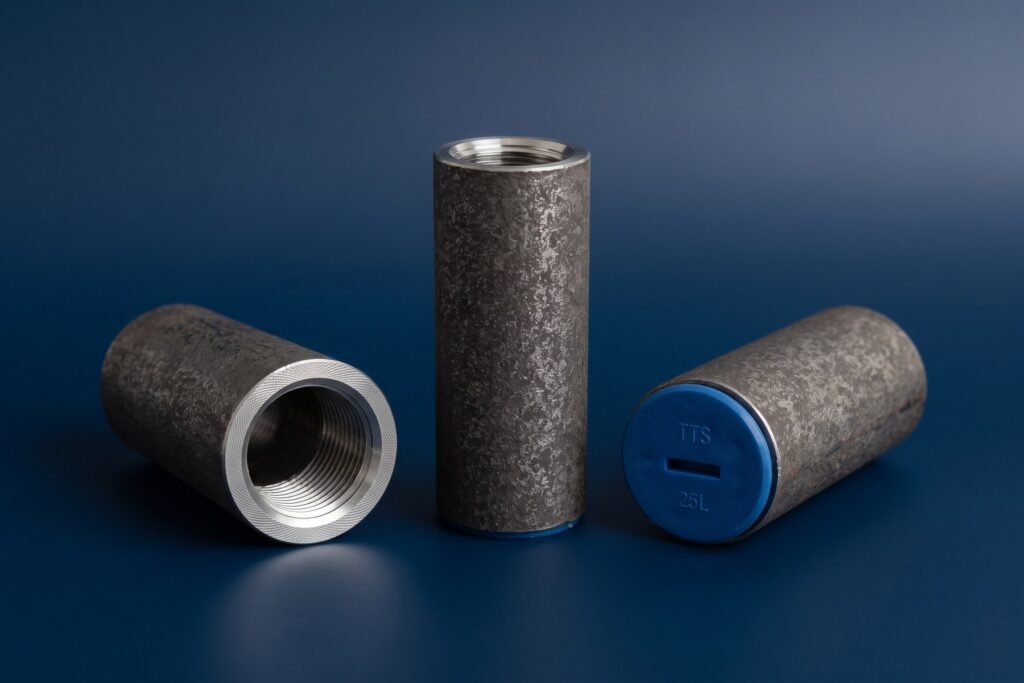
Items like rebar caps, spacers, cover blocks, couplers, and binding wire improve safety, maintain correct alignment, and secure reinforcement during pouring. RMS supplies high-quality reinforcing accessories designed to streamline installation and minimise on-site hazards. - Use Binding Wire for Secure and Efficient Fixing
Binding wire is essential for tying rebar in place. It keeps bars properly positioned, reduces shifting during concrete pouring, and ensures accurate spacing. High-quality binding wire also speeds up installation and improves site safety. RMS offers durable binding wire available directly from our online shop. - Minimise On-Site Handling
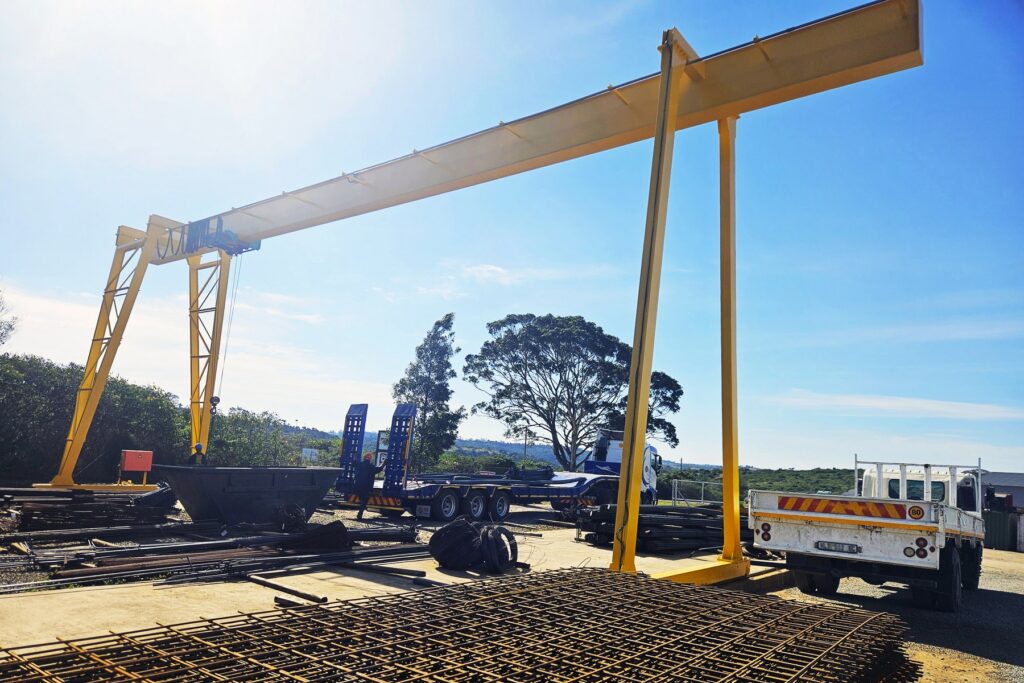
Where possible, use prefabricated mesh panels, pile cages, or cut-and-bend services. Prefabrication reduces manual handling, speeds up installation, and keeps your site organised. - Regular Inspections and Checks
Frequent site inspections by supervisors or quantity surveyors ensure bars are correctly positioned before concrete is poured. Early detection of errors saves time and prevents structural issues later. - Skilled Workforce & Training
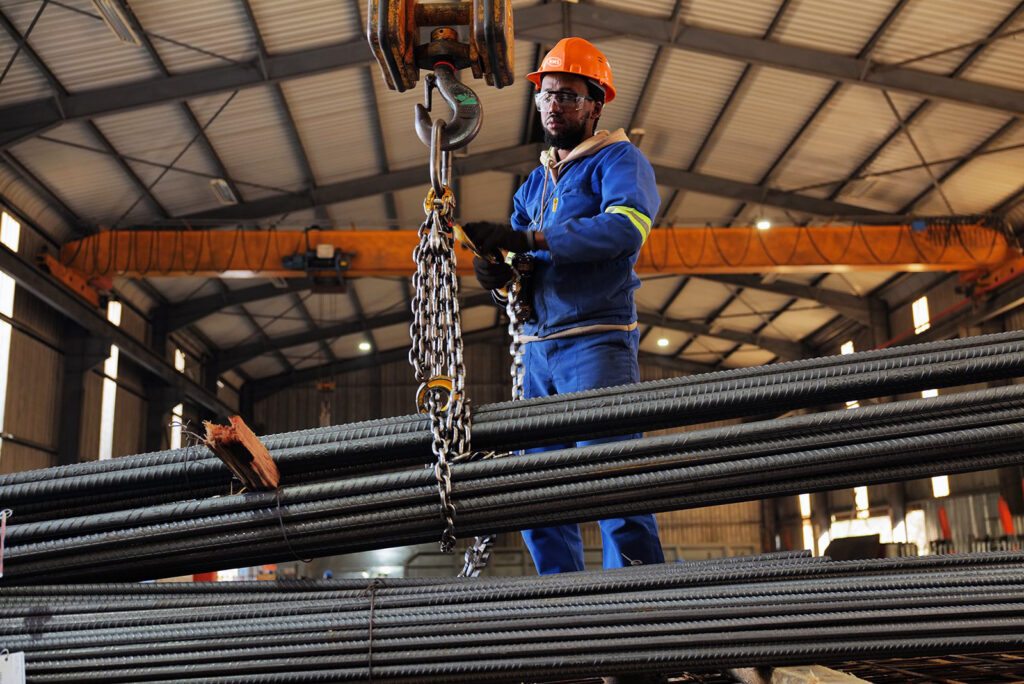
A knowledgeable steel-fixing team ensures proper techniques, safe handling, and adherence to design requirements. Training in safety procedures and reinforcement methods improves efficiency and reduces risk of injury.
Benefits of Following Steel Fixing Best Practices
- Reduced rework and project delays.
- Safer work environment for steel fixers and site personnel.
- Accurate concrete coverage and reinforcement alignment.
- Compliance with SANS standards and engineering codes.
- Secure and efficient rebar placement using binding wire.
Key Takeaways / Highlights:
- Steel fixing accuracy is essential for structural strength and project efficiency.
- Accessories like rebar caps, spacers, couplers, and binding wire improve safety and alignment.
- Prefabricated mesh and pile cages reduce handling and speed up installation.
- Regular inspections and trained teams prevent errors, delays, and on-site accidents.
Ensure your next project benefits from expert steel fixing techniques and quality reinforcing accessories. Contact RMS today to learn more about steel fixing best practices, binding wire, welded mesh, pile cages, and other reinforcement solutions.