Construction projects rarely fail because of a lack of materials. More often, delays occur because materials arrive late, labour is stretched, or too much time is spent completing tasks that could have been handled before work even begins on site.
That is one of the reasons why Cut & Bend steel has become such an important part of modern construction.
Whether you are building a residential home, a commercial development, an industrial facility, or a major infrastructure project, reinforcing steel plays a critical role in the structural integrity of the finished structure. The question is not whether you need reinforcement. The question is how efficiently that reinforcement can be supplied, fabricated, and installed.
For many contractors, engineers, and builders, the answer is Cut & Bend steel.
What Is Cut & Bend Steel?
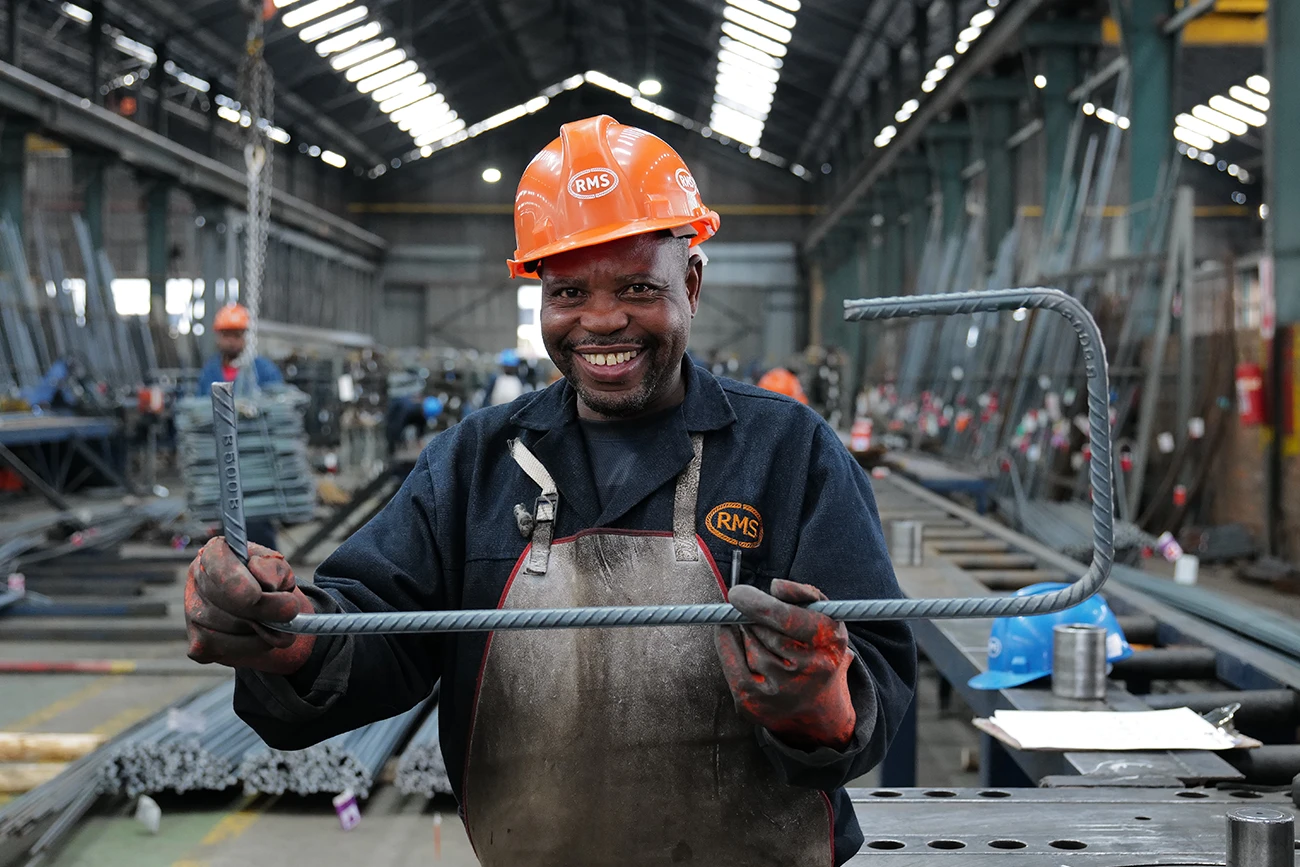
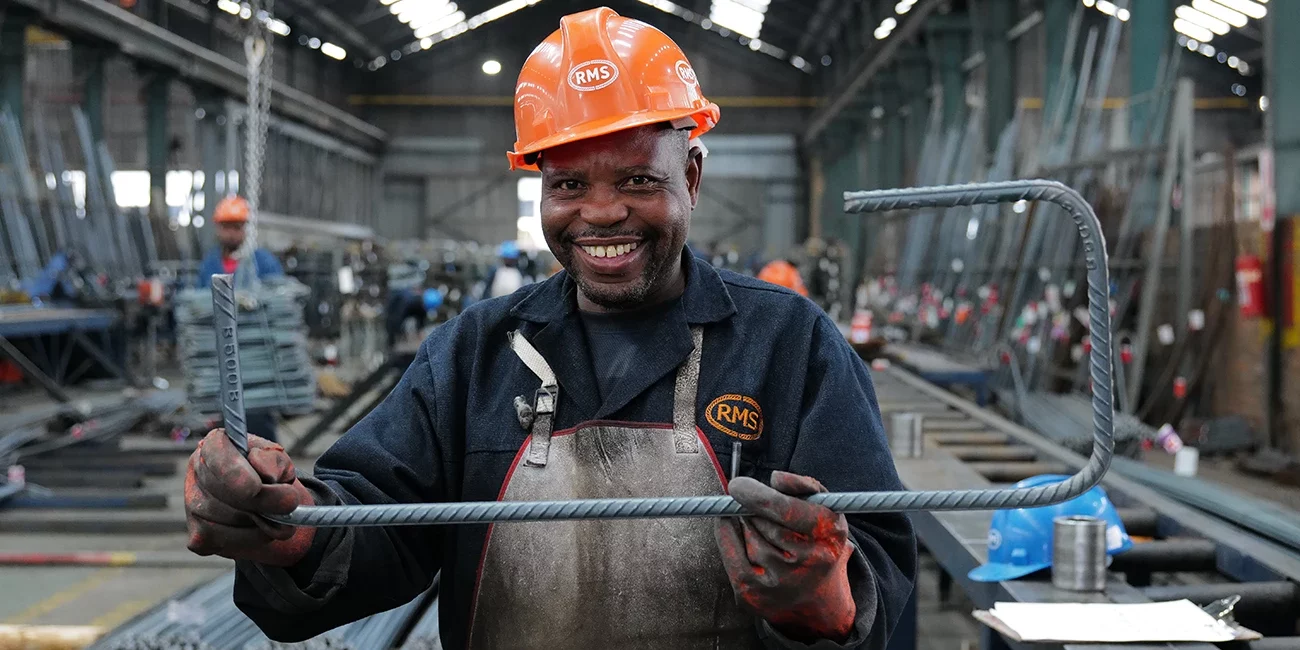
Cut & Bend steel refers to reinforcing bars that have been cut and bent to exact project specifications before arriving on site.
Instead of receiving straight stock lengths of reinforcing steel and carrying out fabrication manually on site, contractors receive reinforcement that has already been prepared according to approved drawings, schedules, and engineering requirements.
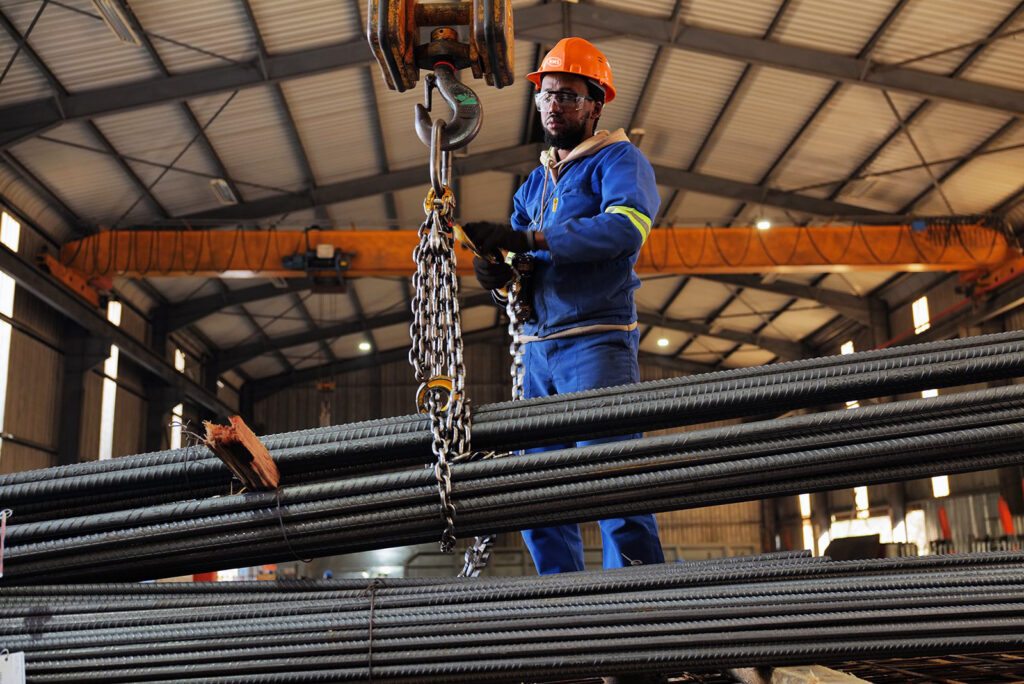
Each bar is manufactured to the required length, bent to the specified shape, labelled, and bundled for delivery.
In simple terms, the reinforcement arrives ready to install.
This removes the need for extensive on-site cutting, measuring, and bending, allowing construction teams to focus on installation rather than fabrication.
How Does the Process Work?
Although the final product may appear straightforward, a great deal of planning and precision takes place before the steel reaches site.
The process typically follows these steps:
- Project Drawings and Schedules
The contractor, engineer, or quantity surveyor provides construction drawings and bar bending schedules.These documents specify:
• Bar diameters
• Bar lengths
• Shape codes
• Quantities
• Bending requirements
• Reinforcement locations
- Fabrication
Using specialised machinery, the steel is cut and bent according to the project requirements.Modern fabrication equipment allows for a high degree of accuracy and consistency across large quantities of reinforcement.
- Quality Control
Each batch is checked against the approved schedules to ensure compliance with project specifications.
- Delivery to Site
The completed reinforcement is bundled, labelled, and delivered to site ready for installation.Instead of spending valuable time fabricating steel on site, construction teams can begin placing reinforcement immediately.
Why Is Cut & Bend Steel Becoming More Popular?
Construction projects have become increasingly demanding.
Clients expect shorter programmes. Labour costs continue to rise. Material waste directly impacts profitability.
As a result, contractors are constantly looking for ways to improve productivity without compromising quality.
Cut & Bend steel helps address several of these challenges at once.
Faster Installation
One of the biggest advantages is speed.
When reinforcement arrives ready to install, site teams can begin placing bars immediately rather than spending days cutting and bending material first.
On larger projects, this can significantly reduce programme durations.
Even on smaller residential projects, eliminating on-site fabrication can make a noticeable difference.
Improved Accuracy
Anyone who has worked on a construction site understands how easily small measurement errors can create larger problems later.
A bar cut incorrectly by just a few centimetres may need to be replaced entirely.
Because Cut & Bend steel is fabricated using specialised equipment and approved schedules, accuracy is generally far more consistent than manual site fabrication.
This helps reduce mistakes, rework, and delays.
Reduced Material Waste
Material wastage is often one of the hidden costs on construction projects.
When reinforcement is cut manually on site, off-cuts and unusable remnants can quickly accumulate.
With Cut & Bend steel, fabrication is planned in advance to maximise material utilisation.
The result is less waste and better cost control.
Reduced Labour Requirements
Fabricating reinforcement on site requires skilled labour, specialised equipment, supervision, and space.
By moving much of this work off-site, contractors can reduce labour requirements while improving productivity.
This can be particularly beneficial when skilled labour is in short supply.
Improved Site Organisation
Construction sites are busy environments.
Reducing the amount of cutting and bending taking place on site can improve organisation, reduce congestion, and help create a safer working environment.
Less clutter often translates into smoother operations.
Is Cut & Bend Steel Only for Large Projects?
Not at all.
While Cut & Bend services are commonly associated with large commercial and infrastructure developments, they are equally valuable for smaller projects.
Homeowners building new houses, property developers constructing residential estates, and small contractors working on local projects can all benefit from pre-fabricated reinforcement.
In many cases, smaller projects have even less room for error because budgets are tighter and labour resources are more limited.
Receiving reinforcement ready for installation can help simplify the construction process from the outset.
Common Applications for Cut & Bend Steel
Cut & Bend reinforcement is used across a wide range of construction sectors, including:
Residential Construction
- House foundations
- Slabs
- Retaining walls
- Swimming pools
Commercial Developments
- Shopping centres
- Office buildings
- Warehouses
- Retail developments
Industrial Projects
- Factories
- Processing facilities
- Logistics hubs
- Distribution centres
Infrastructure Projects
- Bridges
- Roads
- Water treatment facilities
- Municipal infrastructure
Wherever reinforced concrete is used, there is usually an opportunity to improve efficiency through accurate reinforcement fabrication.
Cut & Bend vs Stock Length Reinforcing Steel
Both products have their place within the construction industry.
Stock lengths remain a practical option for some applications, particularly where site conditions require flexibility or where reinforcement requirements are relatively simple.
However, for projects involving large quantities of reinforcement, complex shapes, or tight timelines, Cut & Bend steel often delivers significant advantages.
- ✕ Requires on-site fabrication
- ✕ Higher labour requirements
- ✕ Potential for greater waste
- ✕ Manual measuring and bending
- ✕ Slower installation
- ✓ Delivered ready to install
- ✓ Reduced labour requirements
- ✓ Improved material utilisation
- ✓ Precision fabrication
- ✓ Faster installation
The best solution ultimately depends on the project’s specific requirements.
Understanding Shape Codes
One of the key components of Cut & Bend fabrication is the use of shape codes.
Shape codes provide a standardised way of identifying reinforcement bends and configurations.
Rather than describing each bend individually, engineers and fabricators use recognised shape codes to communicate exactly how reinforcement should be manufactured.
These codes help ensure consistency between design, fabrication, and installation.
If you are unfamiliar with reinforcement shape codes, RMS has published a detailed guide explaining how they work and why they matter on construction projects.
Can Homeowners Buy Cut & Bend Steel?
Yes.
A common misconception is that Cut & Bend services are only available to large contractors.
In reality, RMS supplies reinforcing steel solutions to a wide range of customers, including:
- Homeowners
- Owner-builders
- Small contractors
- Developers
- Construction companies
- Municipal projects
- Engineering firms
All RMS branches provide direct-to-public sales, making it easier for customers to access professional reinforcing solutions regardless of project size.
Why Contractors Choose RMS
For decades, RMS has supported construction projects throughout South Africa with reinforcing steel products, fabrication expertise, and reliable service.
Customers choose RMS because of:
- National branch network
- Cut & Bend capabilities
- Experienced technical support
- Consistent product quality
- Reliable delivery schedules
- Comprehensive reinforcing product range
Whether the project involves a residential foundation or a major infrastructure development, the objective remains the same: supplying reinforcement accurately, efficiently, and on time.
Need Help with Your Next Project?
Choosing the right reinforcement solution can have a significant impact on project costs, productivity, and programme timelines.
If you are considering Cut & Bend steel for an upcoming project, the RMS team can assist with product recommendations, technical guidance, and quotations.