How a Bar Bending Schedule keeps your construction project on track, cost-effective, and safe.
A Bar Bending Schedule (BBS) is one of the most important documents in any construction project. It guides engineers, contractors, steel fabricators, and site teams, ensuring every piece of reinforcement is correctly calculated, cut, and placed. Without it, confusion and delays can lead to costly overruns.
What is a Bar Bending Schedule?
A BBS is a detailed table that contains all data related to the steel reinforcement for a project. At a glance, it shows:
- Structural members.
- Types of reinforcement required.
- Specifications including length, diameter, cutting length, shape, and quantity.
- Exact placement of each piece of rebar.
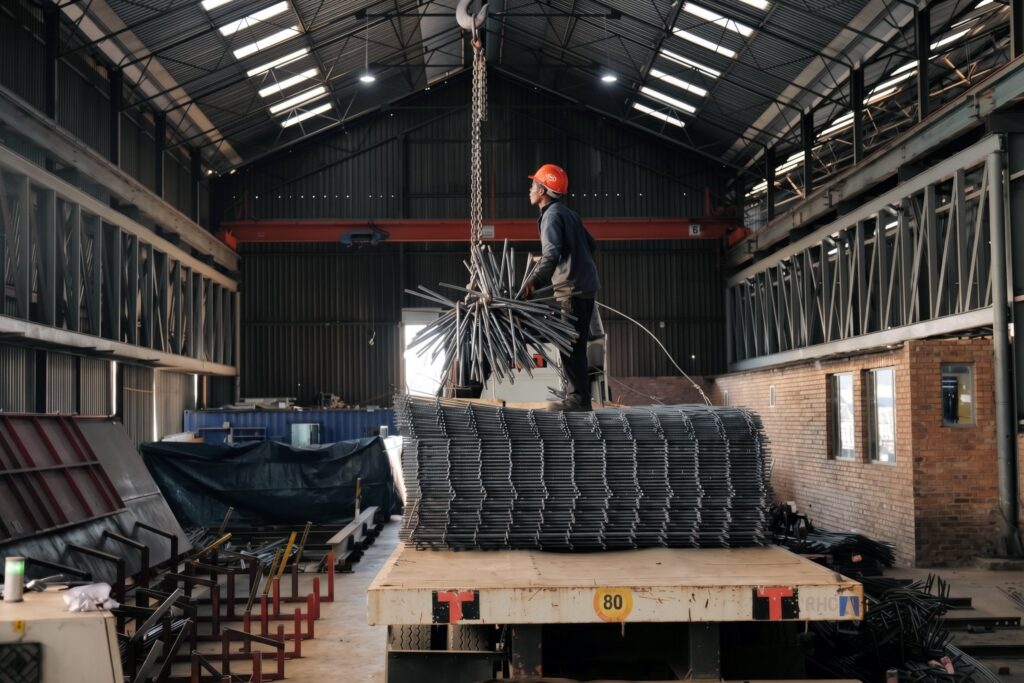
Essentially, the BBS is a complete reinforcement database that helps share vital information with everyone involved, including RMS ( Reinforcing and Mesh Solutions) when we supply your reinforcement.
Why a BBS Matters
Steel reinforcement adds tensile strength to concrete, ensuring buildings meet safety codes and last longer.
Benefits include:
- Stronger and safer structures
- Reduced concrete volume, which lowers project costs
- Environmental impact reduction by reducing deliveries and carbon emissions
Accurate reinforcement calculations depend on a detailed BBS, making it the cornerstone of every successful project.
What Does a BBS Usually Include?
A BBS typically includes the following data:
- Bar number / Bar mark reference
- Bar shape
- Diameter
- Spacing
- Length of bar
- Cutting length
- Number of bars
Used alongside detailed engineering drawings, a BBS becomes an essential blueprint for construction teams.
Who Uses a Bar Bending Schedule?
Stakeholder | Role |
Detailers | Prepare detailed plans and drawings; create and share the BBS. |
Contractors | Manage project execution, inspection, and supervision. |
Steel Fabricator (RMS Steel) | Supply precise reinforcement cut and bent according to the BBS. |
Steel Fixers | Assemble and position bars and mesh before concrete pours. |
Quantity Surveyors | Conduct feasibility studies, budgeting, and procurement planning. |
Clerk of Works | On-site oversight, reconciling orders, deliveries, and material usage. |
Most Common Rebar Shape Codes
Shape Code | Uses |
60 | “Links”; mild steel holding bars in place, used in beams and columns. |
20 | Straight bar; essential for floors, columns, beams, slabs. |
37 | Standard bend for column footings and edges. |
72 | Supports multiple layers; used as links or stirrups, especially in beams. |
38 | U-bar; for isolated footings, slabs, and very short beams. |
Key Takeaways
- A Bar Bending Schedule ensures accurate, safe, and cost-effective reinforcement.
- Engineers, contractors, and site teams rely on the BBS for smooth workflow.
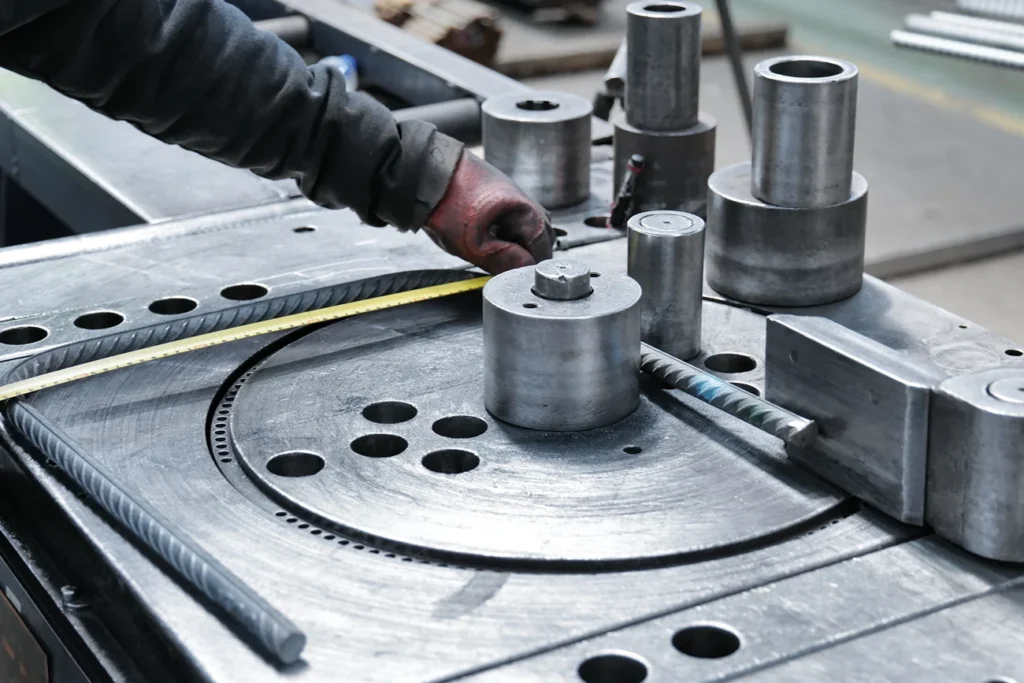
- RMS Steel executes BBS instructions precisely, delivering cut and bent reinforcement ready for installation.
- Using a BBS reduces waste, speeds up construction, and keeps your project compliant with building codes.
Have a Bar Bending Schedule ready? Let RMS bring it to life with precision cut and bend services. Contact us today for a quote or consultation.